How Long Does a Roof Last in Florida's Climate?
Real lifespan ranges for the most common roofing materials, what shortens them here, and how to tell where your roof stands.
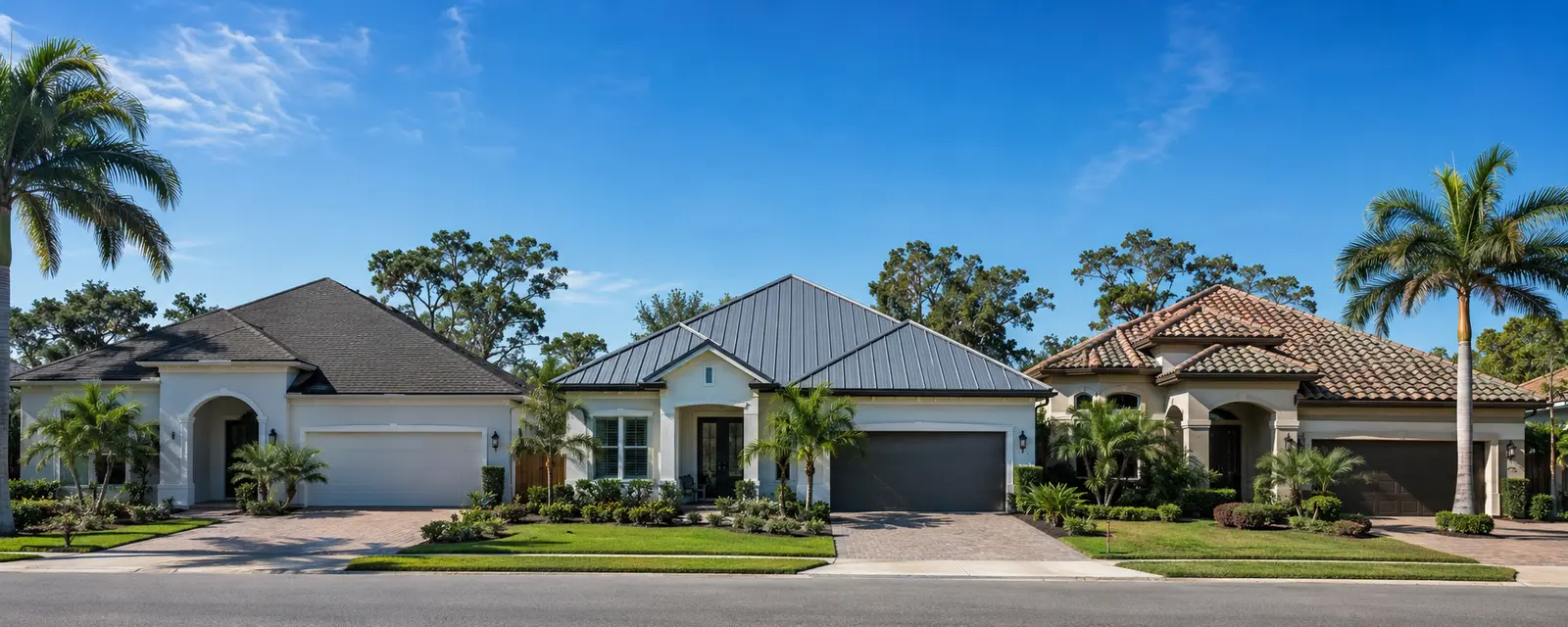
If you own a home in Florida, you've probably wondered how long your roof is actually going to last. The short answer: it depends on the material, the installation quality, and how much Florida's weather has already taken its toll.
Lifespan by Material
| Material | Typical lifespan in Florida | Notes |
|---|---|---|
| 3-Tab asphalt shingles | 12–18 years | Most affordable, shortest lifespan, vulnerable to wind |
| Architectural asphalt shingles | 15–25 years | More durable than 3-tab, better wind resistance |
| Metal (standing seam) | 40–70 years | Highly durable, excellent wind and UV resistance |
| Metal (screw-down) | 25–40 years | More affordable than standing seam, fasteners can loosen |
| Tile (concrete/clay) | 40–50+ years | Very durable, but heavy and expensive |
| Synthetic/composite | 25–40 years | Newer material, designed for durability, less common |
What Shortens a Roof's Life in Florida Specifically
UV radiation: the same sun that makes Florida beautiful is relentless on roofing materials. UV rays degrade asphalt shingles, causing them to become brittle, crack, and lose granules.
Humidity: accelerates wear on all roofing materials, degrading adhesives, corroding metal components, and promoting mold and algae growth.
Heat: high temperatures put constant thermal stress on roofs — materials expand and contract with daily swings, which causes cracks and loosens seams over time.
Hurricane season: June through November brings high winds, flying debris, and torrential rain. A single storm can shorten your roof's lifespan by years.
Afternoon thunderstorms: daily during summer, often severe. Repeated heavy rain can exploit small weaknesses in your roof.
Salt air (coastal areas): if you live within a few miles of the coast, salt air can corrode metal components and accelerate breakdown.
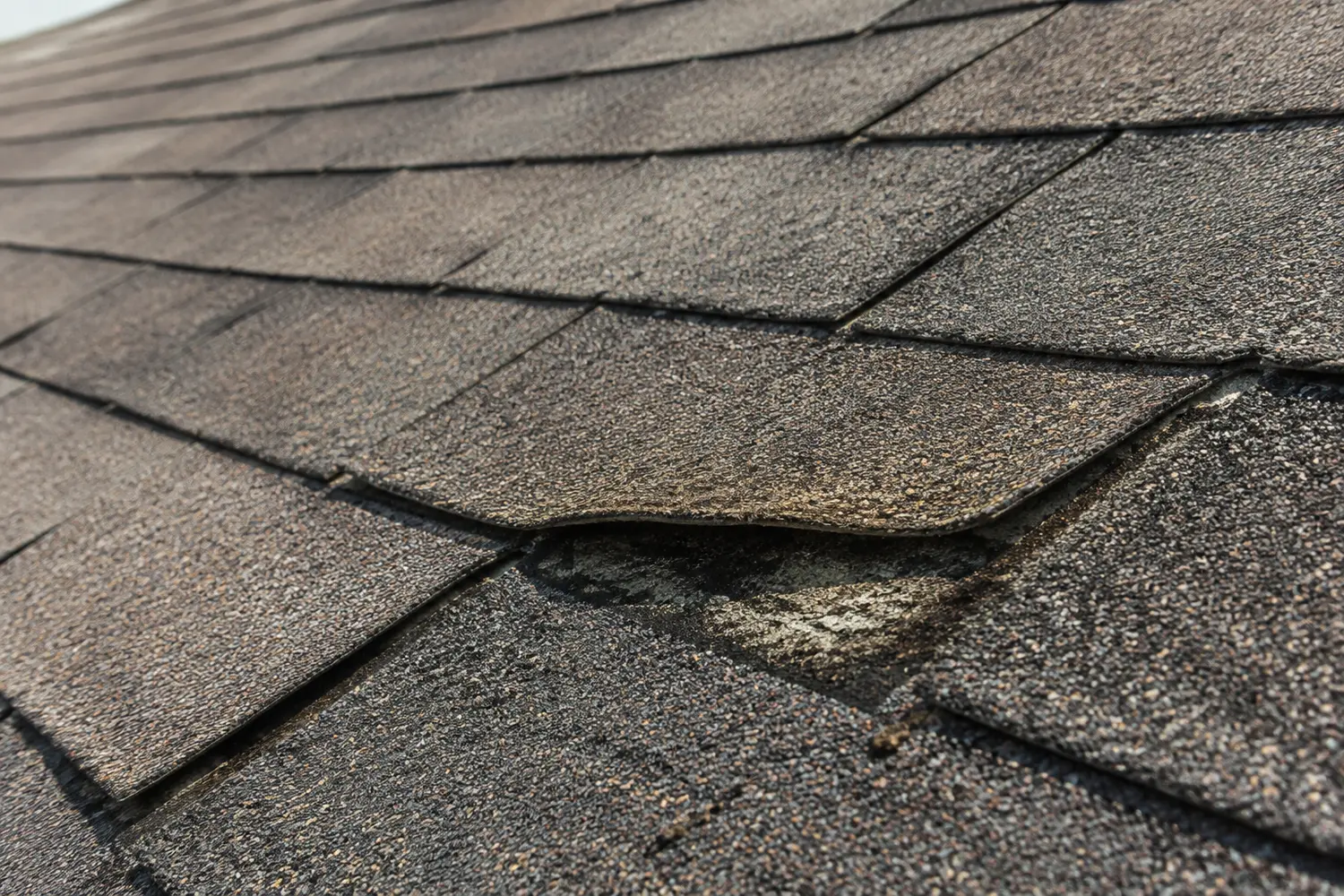
Signs Your Roof Is Nearing the End, Regardless of Age
Age is one factor, but condition matters more. Watch for curling or cupping shingles, granule loss in gutters, cracked or split shingles, bald spots, visible light through the attic, water stains on ceilings, and moss or algae growth.
Can Maintenance Actually Extend Its Life?
Yes, to a point. Routine maintenance won't double your roof's lifespan, but it can add years and prevent expensive failures.
- Regular inspections (every 2–3 years) — catch small problems before they become big ones
- Cleaning gutters — prevents water backing up under the shingles
- Trimming overhanging branches — prevents debris damage and reduces moss growth
- Repairing small issues promptly — a $300 repair now can prevent a $10,000 replacement later
What maintenance won't do: it won't restore a 20-year-old shingle roof to like-new condition. Once a roof has reached the end of its material lifespan, maintenance only delays the inevitable.
How to Estimate Where Your Roof Stands Right Now
Under 10 years old: you're in the safe zone, assuming it was properly installed. Get an inspection every 2–3 years.
10–15 years old: you're entering the monitoring phase. Get an inspection annually or after any significant storm, and start budgeting for replacement in the next 5–10 years.
15+ years old (asphalt shingles): you're nearing or past the expected lifespan. Get an inspection immediately if you haven't recently, and start planning for replacement if the roof shows signs of aging.
Been through a severe storm: get an inspection regardless of age — storm damage can shorten the lifespan of even young roofs.
Not sure where your roof stands?
A licensed roofer can tell you exactly what condition it's in.