5 Signs Your Roof Needs Attention After a Jacksonville Storm
Five signs you can spot safely from the ground — and what to do if you see any of them.
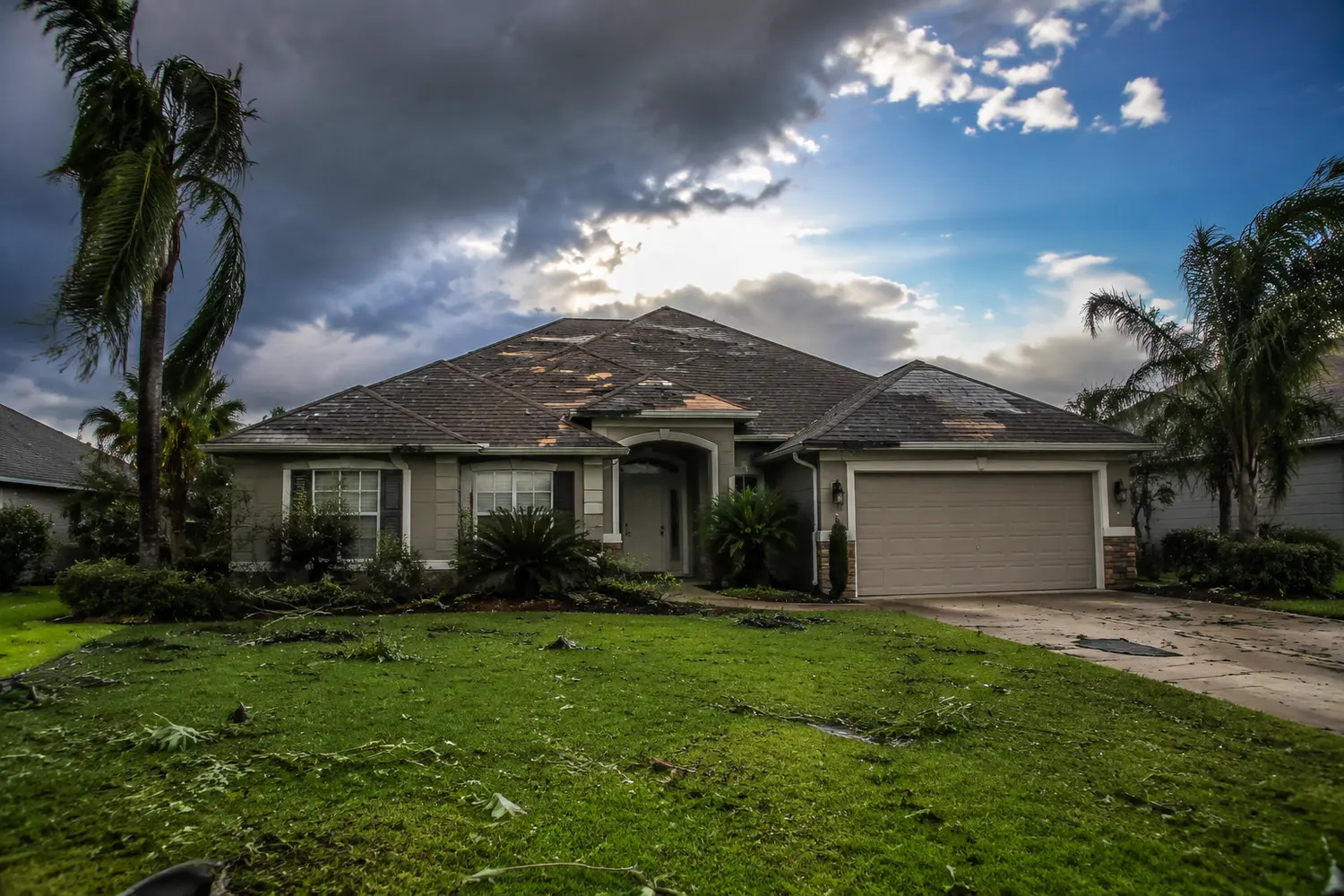
Jacksonville storms can be intense. High winds, flying debris, and torrential rain can damage your roof without you even knowing it. You don't need to climb up there to check — in fact, you shouldn't. Here are five signs you can spot safely from the ground.
1. Missing, Curling, or Cracked Shingles
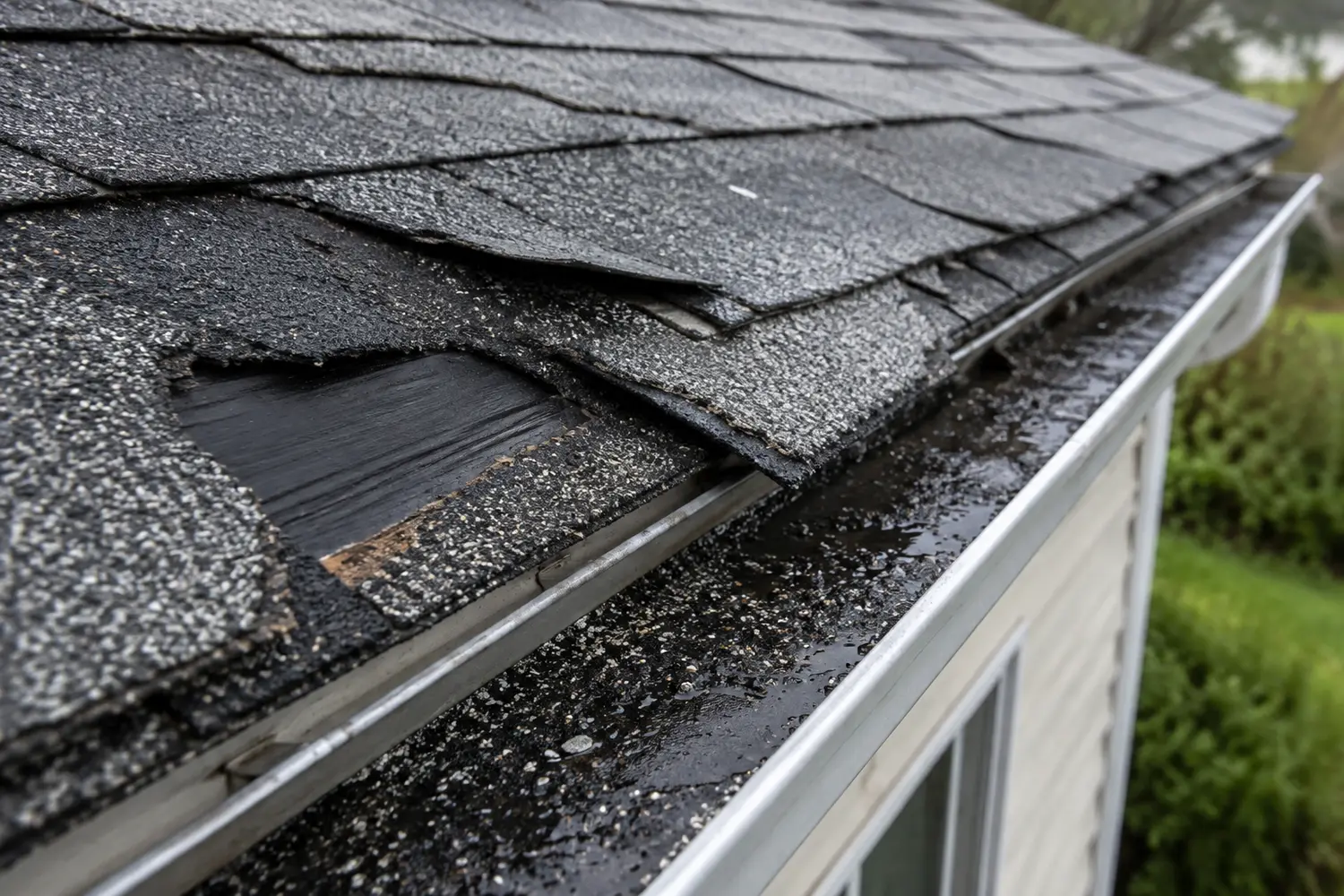
This is the most obvious sign of storm damage. After high winds, shingles can be lifted, torn, or blown off completely.
What to look for from the ground: bare patches where shingles used to be, shingles peeling up at the edges, visibly cracked or split shingles, and shingle debris on the ground or in your yard.
Why it matters: missing or damaged shingles expose the underlayment (the waterproof layer beneath the shingles) to rain. Once water gets under the shingles, it can reach your roof decking and eventually your home's interior.
What to do: call a licensed roofer for an inspection. Do not try to replace them yourself — walking on a storm-damaged roof is dangerous.
2. Granules Collecting in Your Gutters
Asphalt shingles are coated with small granules that protect them from UV damage and weather. When shingles start to lose their granules, they're nearing the end of their lifespan — or they've been damaged.
What to look for: sand-like debris in your gutters, dark patches on shingles, granule piles at the bottom of downspouts, or granules washing into your yard.
What to do: if you see excessive granules after a storm, have a roofer inspect the roof to assess the extent of the damage.
3. Daylight Visible Through the Attic
This is a sign you can check from inside your home. When the sun is bright, go into your attic, turn off the lights, and look up. If you can see daylight coming through holes in the roof decking, you have a problem.
Why it matters: if daylight is visible, your roof deck has a hole or gap. Water can get in during rain, and you may also have pests entering through the same gaps.
What to do: call a roofer immediately. If you see daylight, you likely have a roof breach that needs emergency attention.
4. Water Stains Spreading Across a Ceiling
This is the sign most homeowners notice first. A water stain on your ceiling means water is already getting in.
What to look for: brown or yellowish stains that appear or grow after rain, soft or swollen spots on drywall, peeling paint or bubbling wallpaper, and a musty smell in any room.
What to do: if you see a new or growing stain, call a roofer immediately. Water damage gets worse — and more expensive — the longer it's ignored.
5. Debris or a Visibly Sagging Section
This is the most serious sign on the list. A sagging roof section indicates structural compromise.
What to look for from the ground: a visible dip or sag in the roofline, uneven roof surfaces, large branches or tree limbs resting on the roof.
Call a licensed roofer today if you see any sagging. It means the support beneath the roof — decking, trusses, or rafters — is likely compromised. If the sagging is severe, contact a structural engineer as well.
A professional can see what you can't
Get a written inspection report and a repair quote if you need one.